Greater Vancouver housing market cooling off remains
- Ray Khan
- Apr 7, 2025
- 2 min read


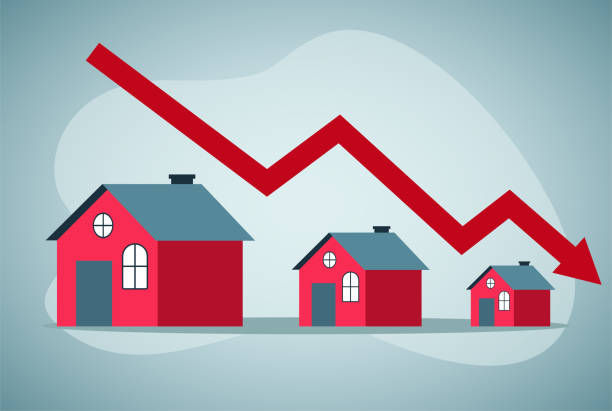
US government trade policies and Canadian government reaction to tariffs continued to impact Vancouver’s housing market in March, further slowing activity. With increasing U.S. trade sanctions sparking fears of a housing recession, job loss, and equity market volatility, many potential buyers are hesitant to enter the market. These conditions are not conducive to what is likely the largest purchase a household will make in their lifetime. Recent data from the Greater Vancouver and Fraser Valley real estate boards (Lower Mainland) indicated a further decline in sales in March. MLS® sales dropped 17.6 percent year-over-year, slightly worse than February, while seasonally-adjusted sales fell 10 percent according to our calculations. The latter has decreased for four consecutive months, with the monthly sales pace down 35 percent since November, returning to the lows of 2022 that followed the rate shock. The upward momentum seen before the U.S. election has dissipated. While some factors, like a weaker population growth outlook and subdued economic performance, have hindered demand, others, such as lower interest rates and relaxed financing policies, have been supportive. The sharp decline in home sales aligns with sentiment measures like the CFIB business barometer, which has plummeted to record lows, suggesting that weak confidence is affecting the housing market.
With sales restrained, inventory has surged. Active listings were up 43 percent year-over-year and continue to rise. Seasonally-adjusted inventory increased 7 percent month-over-month, the highest since 2013. The sales-to-active listing ratio indicates a buyers’ market, making it difficult for sellers to achieve their asking prices.
The average price, which fell in February, remained stable but was 4.5 percent lower than a year ago. Composition is important, and benchmark values held up somewhat better but also show signs of weakening, with prices down on a seasonally-adjusted basis during the month and 2.5 percent lower than a year ago.
If confidence from tariff threats were the only concern, this period of weakness might pass quickly. However, the rapid development of the trade war suggests this downturn could worsen. B.C.’s (and Vancouver’s) diversification of trade towards Asia and services was a positive factor for the region to withstand the U.S. tariff impact. Nevertheless, the significant tariffs applied to major Asian markets this week could disrupt the global economy, growth, and worsen B.C.’s economic performance. The region’s housing market could very well be affected in the short term, with low sales and high resale inventory (particularly in the condo market) driving prices lower. This does not alter longer-term issues of insufficient affordable supply, which will require much more housing, but a recession and price correction would not be surprising if this trade war continues.


Comments